
Coworking vs. Traditional Offices: Which is Better for Your Business?
- Offices Zone
- July 20, 2025
- 5min read
Choosing between a coworking space and a traditional office is no longer simply a question of cost. It influences flexibility, growth, organisational culture and long-term risk.
As businesses adapt to evolving working models, understanding the key differences between the two options enables leaders to make informed decisions that support stability and sustainable growth.
Lease Commitment and Financial Risk
Traditional offices typically require long-term leases, often ranging from five to ten years. Upfront costs usually include deposits, fit-outs, furniture and IT infrastructure. Businesses frequently lease more space than they currently require to accommodate future growth, increasing financial pressure without any guarantee of expansion.
Coworking spaces generally operate on flexible membership terms. Monthly or annual agreements allow companies to adjust their space according to performance, hiring plans or hybrid working policies. This approach reduces financial exposure and helps preserve capital.
Setup and Operational Costs
Under a traditional lease, utilities, cleaning, maintenance, internet and security are typically managed separately. This often results in multiple contracts, additional suppliers and increased time spent managing day-to-day operations.
Coworking spaces simplify this process by offering all-inclusive solutions such as serviced offices, where internet, cleaning, reception services and operational support are covered under a single agreement.
This allows teams to focus on their core responsibilities rather than managing office logistics.
Flexibility and Scalability
Growth rarely follows a linear path. Traditional offices commit businesses to fixed square footage, making downsising both costly and complex.
Coworking environments allow teams to scale up or down with fewer constraints. Hybrid professionals and growing teams often rely on Hot desks to maintain flexibility without committing to unused space, especially during periods of transition or project-based work.
Customisation and Brand Identity
Traditional offices offer full control over layout, design and branding. This level of autonomy is often essential for organisations with specific compliance or infrastructure requirements.
Modern coworking providers now offer alternatives that balance brand identity with convenience. Private serviced offices support professional branding while benefiting from shared infrastructure.
For companies that do not require daily occupancy but still need a credible business presence, a virtual office provides a practical solution without long-term overhead.
Employee Experience and Productivity
The work environment has a direct impact on performance and retention. Traditional offices offer privacy and consistency but may lack flexibility or shared amenities.
Coworking spaces are designed to accommodate different working styles. Quiet areas, collaborative zones and access to meeting rooms allow teams to balance focus with collaboration. This variety helps employees remain productive without feeling restricted.
Long-Term Strategic Fit
Some organisations require full control over infrastructure or security, making traditional offices the right choice. However, businesses prioritising agility, cost control and scalability often find coworking to be a more suitable option.
In fast-moving markets, flexibility reduces operational risk and enables faster decision-making.
Making the Right Choice
At a glance, traditional offices offer permanence and greater control, while coworking provides flexibility and reduced financial exposure. The right choice ultimately depends on your organisation’s growth plans, operational priorities and appetite for risk.
For businesses seeking to remain agile while maintaining a professional environment, flexible workspace providers such as Offices Zone present a balanced alternative.
Explore some of our topics
-
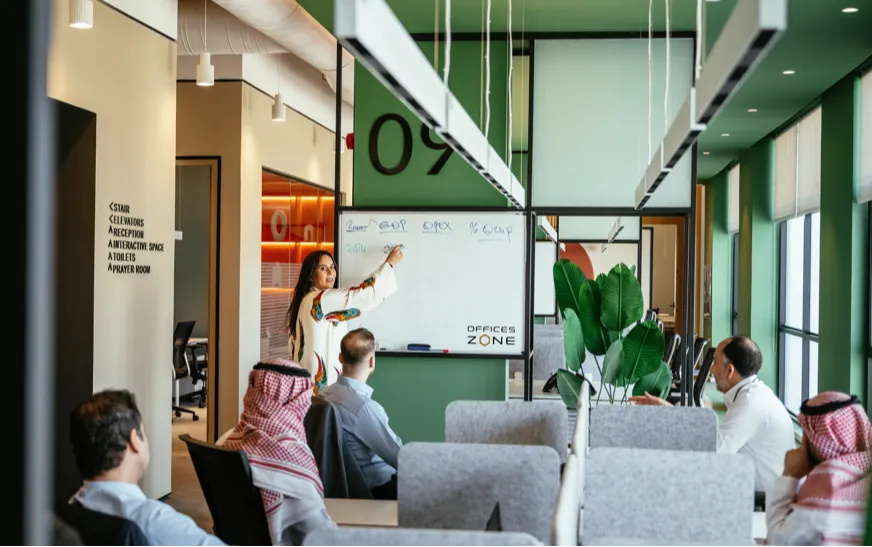
10 Signs Your Business Is Ready to Move into a Shared Worksp...
Offices Zone July 21, 2025 5min read -
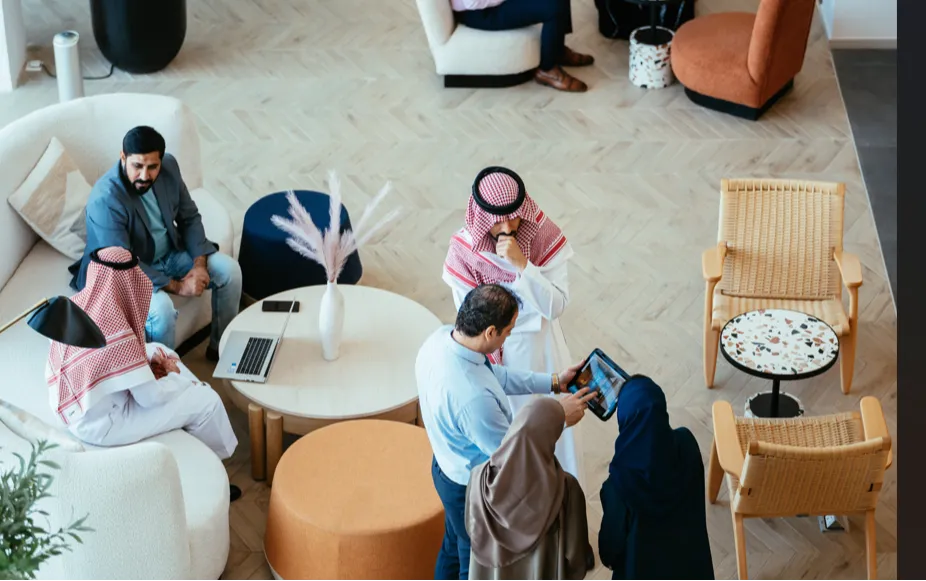
A Day in the Life at Offices Zone: What It’s Like to Work fr...
Offices Zone July 20, 2025 5min read -

Why Flexibility Is the Future: Powerful Ways Modern Workspac...
Offices Zone July 20, 2025 5min read -
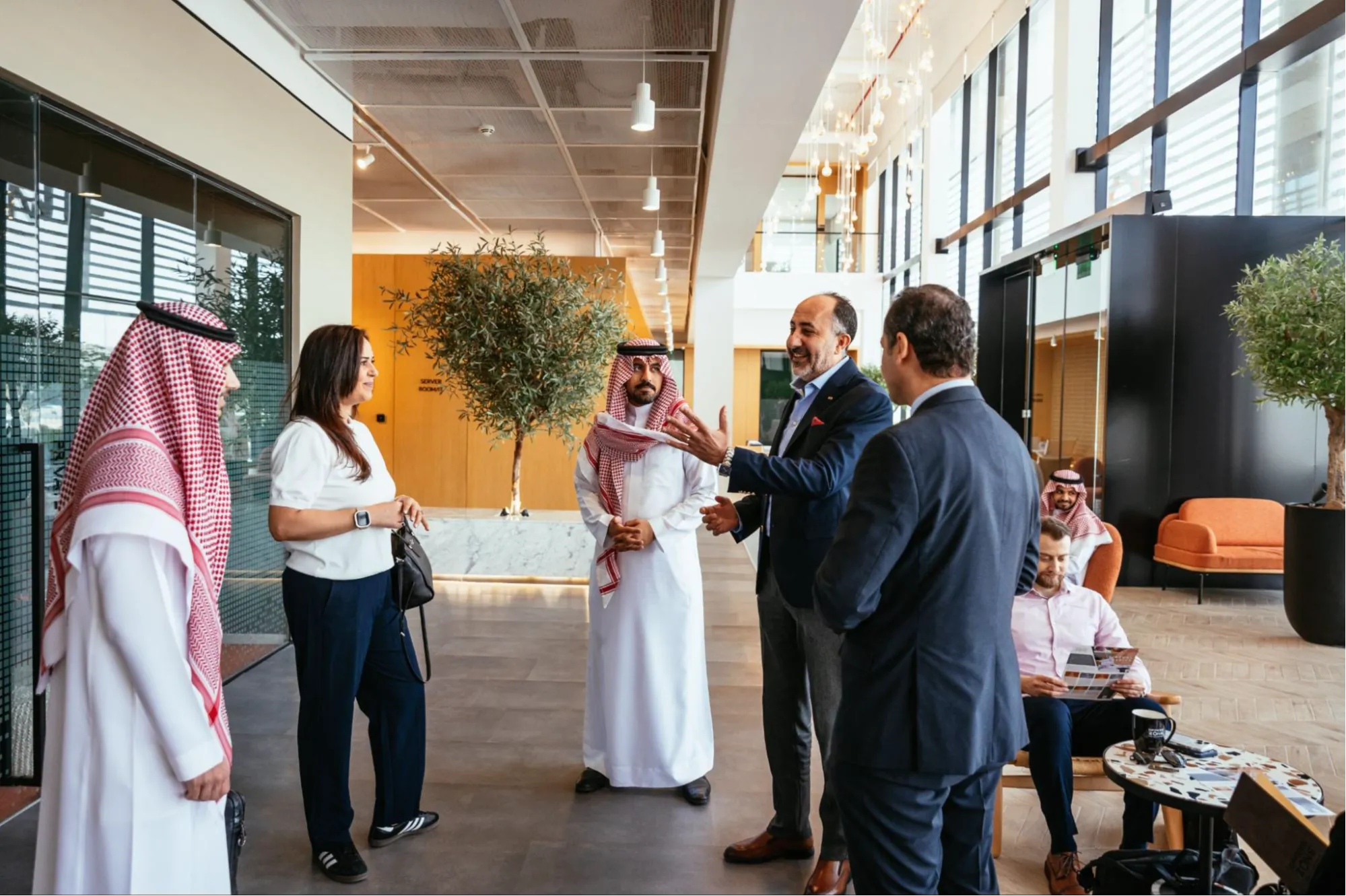
6 Underrated Reasons Why Coworking Is Good for Productivity
Offices Zone July 20, 2025 5min read -

Local Area Guide: Olaya District
Offices Zone July 20, 2025 5min read -

Riyadh’s Coworking Boom: How Vision 2030 is Reshaping the Fu...
Offices Zone July 20, 2025 5min read -
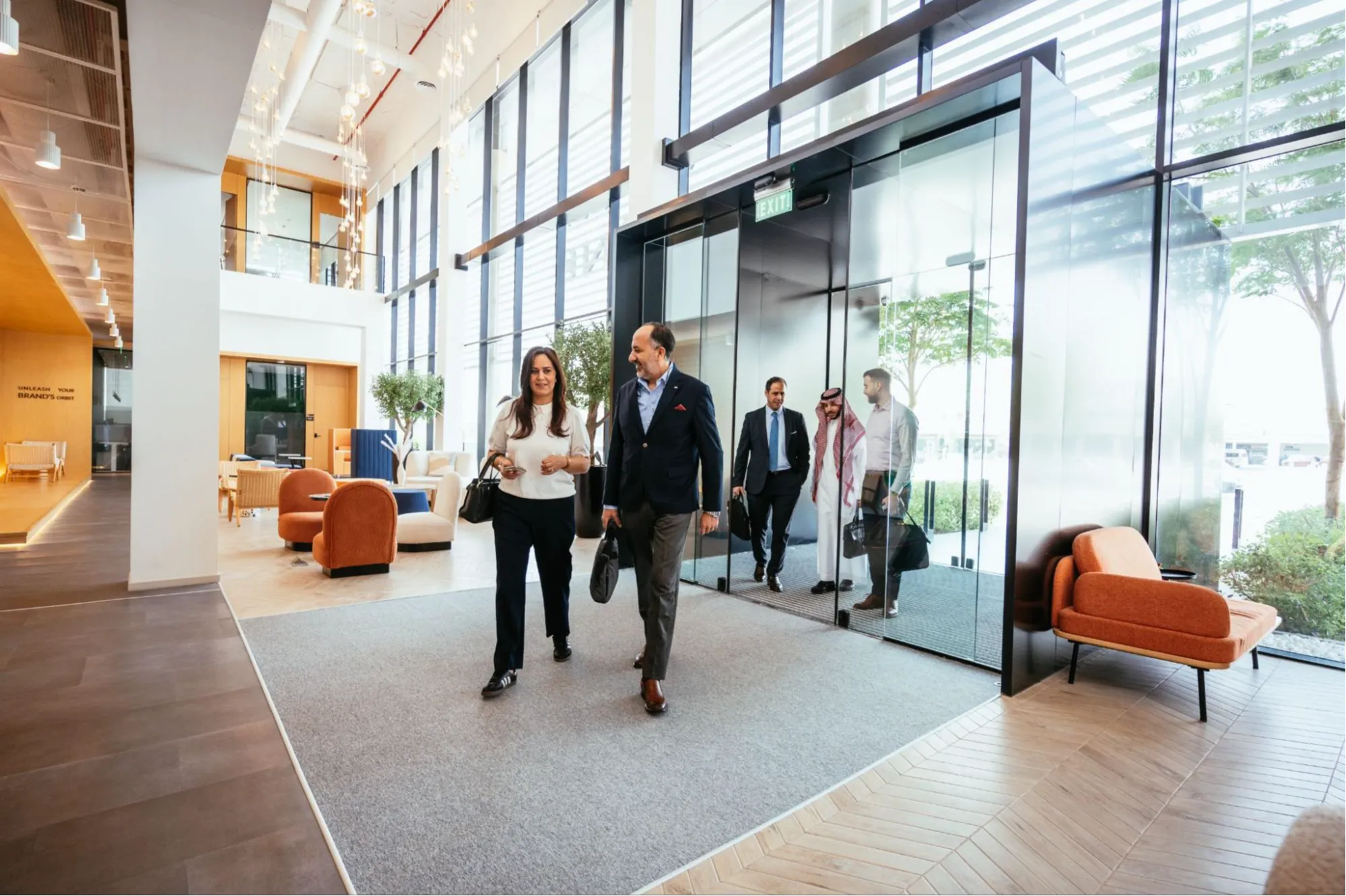
Discover Your Ideal Workspace in King Salman District
Offices Zone July 20, 2025 5min read
